

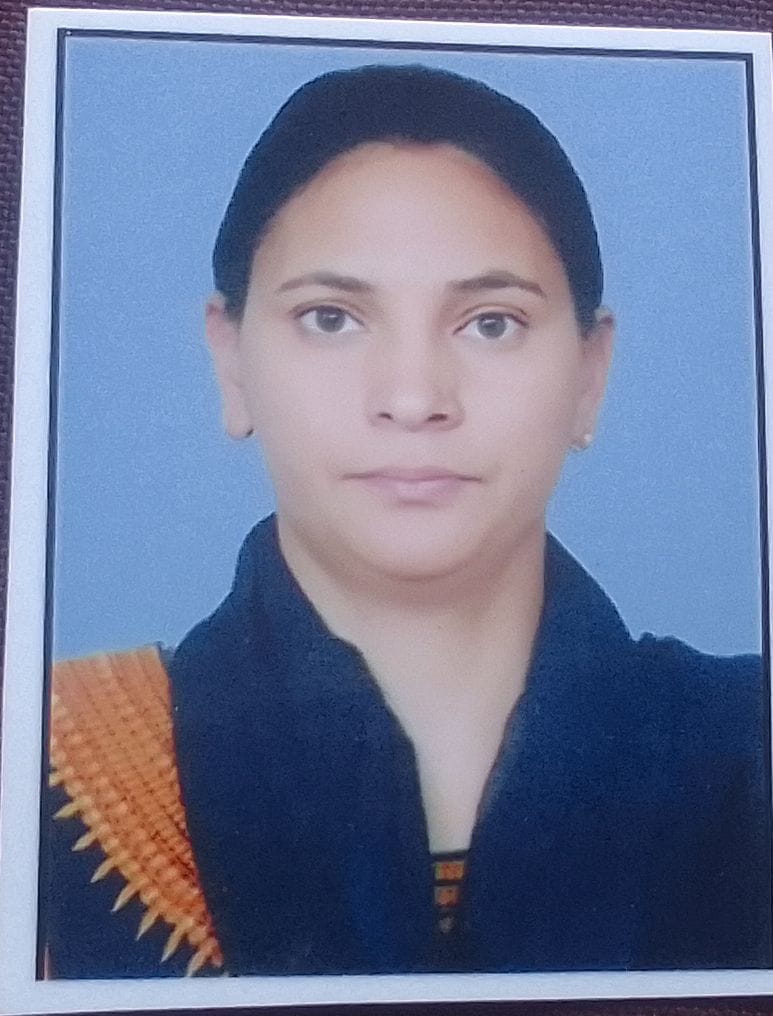
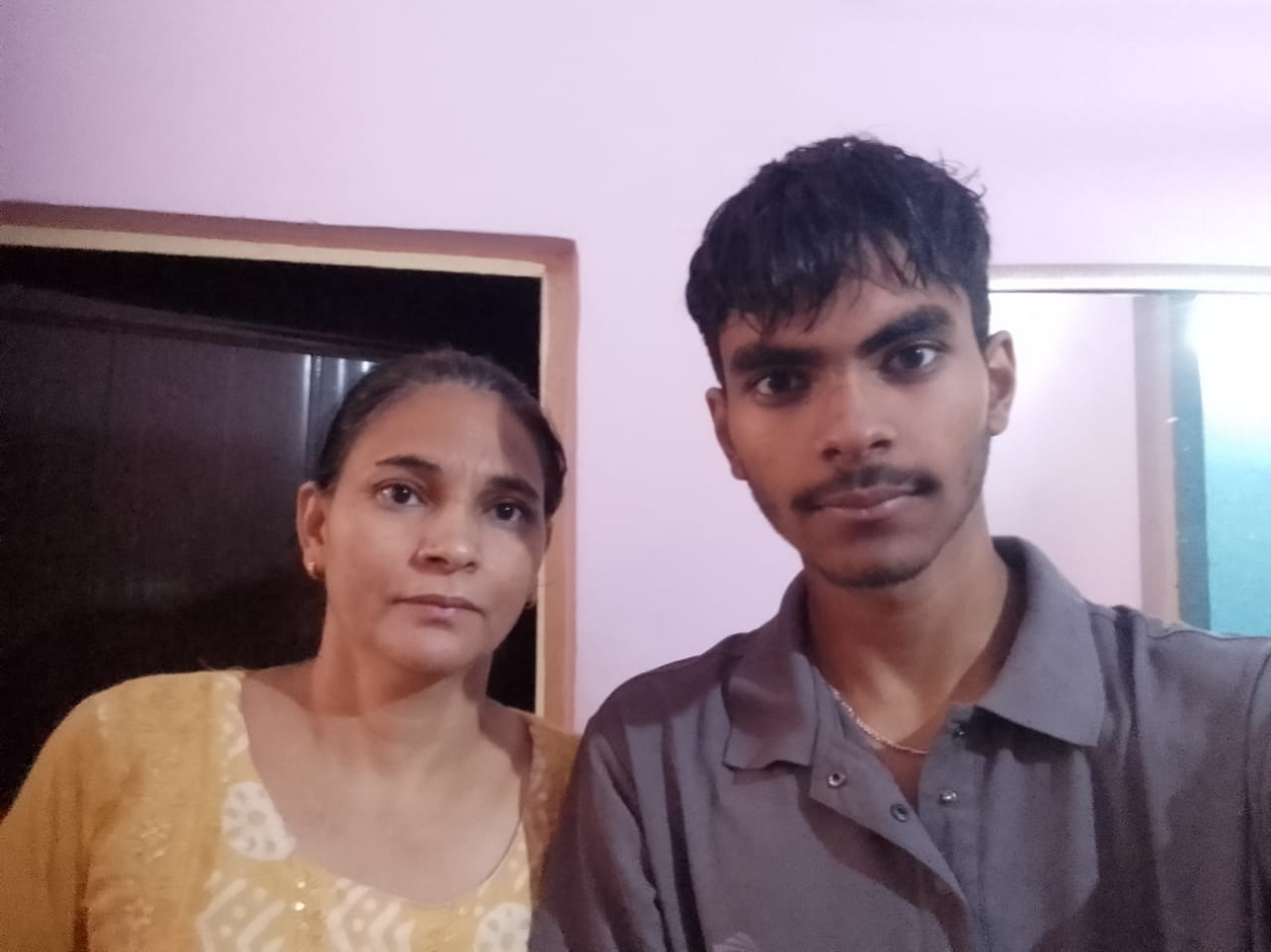
After the demise of her husband, Raj Karan, Babli became the primary earning member of her family. She has one son, who is currently studying. Her son has been legally adopted by her sister-in-law (nanad), who now bears the major responsibility for his educational expenses. Despite limited family support, Babli continues to work hard to maintain her self-respect and financial independence.
Babli is currently involved in tailoring work and earns an average monthly income of ₹3,000–₹4,000, along with widow pension support. However, her income remains below ₹12,000 per month, while monthly household expenses range between ₹5,000 and ₹10,000, making it difficult for her to achieve financial stability. She owns and uses a smartphone, which helps her stay connected and manage daily communication.
A major challenge Babli faces is the lack of her own sewing machine. At present, she uses her mother-in-law’s sewing machine, which is frequently taken back by her mother-in-law, causing repeated interruptions in her work and loss of income opportunities. Due to this dependency, Babli is unable to take regular stitching orders or expand her tailoring work.
Babli has prior business experience, good confidence, and a basic understanding of tailoring as a livelihood activity. The tailoring business has been assessed as viable in her locality, with consistent demand. Although she does not receive direct family support to start her business, she remains highly motivated and willing to become self-reliant.
Her profile has been evaluated as “Very Good”, considering her widow status, existing skills, willingness to work, and absence of any outstanding loans. With support in the form of a tailoring machine and business assistance, Babli Sharma has strong potential to enhance her income, ensure financial independence, and lead a life of dignity and stability.